
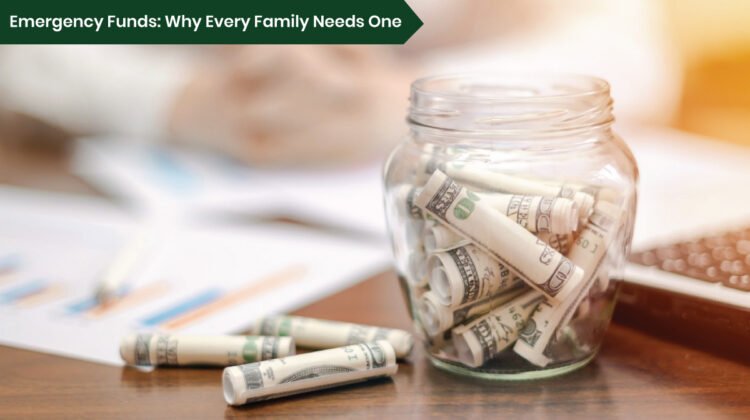
Emergency Funds: Why Every Family Needs One
Life is full of surprises. A sudden job loss, unexpected medical bill, major car repair, or home emergency can happen when you least expect it. Without savings set aside, these situations can quickly become financial crises, forcing families to rely on credit cards, personal loans, or borrowed money.

An emergency fund acts as a financial safety net. It provides peace of mind by ensuring you have money available when unexpected expenses arise. Whether you’re single, married, or raising children, building an emergency fund is one of the smartest financial decisions you can make.
In this guide, you’ll learn what an emergency fund is, why it’s important, how much you should save, and practical steps to build one.
What Is an Emergency Fund?
An emergency fund is money set aside specifically for unexpected expenses or financial emergencies.
Unlike regular savings, this money is not meant for vacations, shopping, or planned purchases. It should only be used for genuine emergencies that affect your financial stability.
Common emergencies include:
- Job loss
- Medical emergencies
- Major car repairs
- Home repairs
- Emergency travel
- Unexpected family expenses
- Temporary loss of income
- Essential appliance replacement
Having emergency savings allows you to handle these situations without going into debt.
Why Every Family Needs an Emergency Fund
Unexpected expenses can happen to anyone.
An emergency fund helps families:
- Reduce financial stress
- Avoid high-interest debt
- Cover unexpected bills
- Protect long-term savings
- Maintain financial stability
- Handle temporary income loss
- Prepare for unexpected life events
- Feel more confident about the future
Financial security starts with being prepared.
Benefits of Having an Emergency Fund
1. Reduces Financial Stress
Knowing you have money available for emergencies brings peace of mind.
Instead of worrying about every unexpected expense, you’ll have a financial cushion ready when needed.
2. Helps You Avoid Debt
Without emergency savings, many families rely on:
- Credit cards
- Personal loans
- Payday loans
- Borrowing from friends or relatives
These options often come with interest charges and repayment obligations.
An emergency fund helps you pay unexpected expenses with your own money.
3. Protects Long-Term Financial Goals
Many people save for:
- Buying a home
- Retirement
- Children’s education
- Vacations
- Investments
Without an emergency fund, you may need to withdraw money from these savings, delaying your financial goals.
4. Provides Security During Job Loss
Losing a job can be stressful.
Emergency savings can help cover essential expenses while you search for new employment.
This financial cushion gives you more flexibility and reduces pressure during difficult times.
5. Covers Unexpected Medical Expenses
Even with health insurance, families may still face:
- Deductibles
- Prescription costs
- Emergency treatments
- Medical equipment
- Follow-up care
An emergency fund helps manage these costs without disrupting your finances.
6. Handles Major Home Repairs
Homeowners may face unexpected repairs such as:
- Roof damage
- Plumbing leaks
- Heating or cooling system failures
- Electrical problems
- Storm damage
Repairing these issues quickly can prevent even larger expenses later.
7. Pays for Unexpected Car Repairs
Vehicle problems can happen without warning.
Examples include:
- Battery replacement
- Brake repairs
- Flat tires
- Transmission issues
- Engine repairs
Having emergency savings helps keep your vehicle on the road without relying on expensive financing.
8. Supports Family Emergencies
Life sometimes requires immediate travel or unexpected expenses.
Examples include:
- Family emergencies
- Funeral travel
- Temporary housing
- Emergency childcare
Savings provide flexibility during emotionally difficult situations.
How Much Should You Save?
The right emergency fund depends on your personal situation.
Many financial experts recommend saving three to six months of essential living expenses.
Essential expenses include:
- Housing
- Utilities
- Groceries
- Insurance
- Transportation
- Healthcare
- Minimum debt payments
- Childcare
If your income is irregular or you work as a freelancer or contractor, you may benefit from saving even more.
Start Small
Building an emergency fund doesn’t happen overnight.
Begin with a realistic goal.
For example:
- Save your first $500
- Then build to $1,000
- Continue working toward three to six months of essential expenses
Small, consistent contributions add up over time.
Where Should You Keep Your Emergency Fund?
Emergency savings should be:
- Easy to access
- Safe
- Separate from everyday spending
Many people keep emergency funds in:
- High-yield savings accounts
- Traditional savings accounts
- Money market accounts
Avoid investing emergency savings in assets that can lose value or be difficult to access quickly.
How to Build an Emergency Fund
Create a Monthly Savings Goal
Decide how much you can save each month.
Even $25 to $100 per month can grow steadily over time.
Consistency matters more than starting with a large amount.
Automate Your Savings
Set up automatic transfers from your checking account to your emergency savings account.
Automation helps you save without having to think about it every month.
Reduce Unnecessary Spending
Review your monthly expenses.
Look for areas where you can temporarily reduce spending, such as:
- Dining out
- Subscription services
- Impulse purchases
- Entertainment expenses
Direct those savings into your emergency fund.
Save Windfalls
Unexpected income can boost your savings quickly.
Consider saving part of:
- Tax refunds
- Work bonuses
- Cash gifts
- Side hustle income
- Overtime pay
Using extra income wisely can help you reach your goal sooner.
Track Your Progress
Watching your savings grow keeps you motivated.
Use:
- Budgeting apps
- Spreadsheets
- Banking apps
- Savings trackers
Celebrate milestones along the way.
When Should You Use Your Emergency Fund?
Use your emergency fund only for true emergencies.
Examples include:
- Unexpected medical expenses
- Emergency home repairs
- Major vehicle repairs
- Job loss
- Essential travel due to family emergencies
Avoid using it for:
- Vacations
- Holiday shopping
- New electronics
- Luxury purchases
- Planned home improvements
If you use part of your emergency fund, make rebuilding it a priority.
Common Mistakes to Avoid
Avoid these common errors:
- Not saving anything because the goal feels too large
- Using emergency savings for non-emergencies
- Keeping all savings in a checking account where it’s easy to spend
- Stopping contributions after reaching a small goal
- Ignoring inflation and rising living costs
- Failing to review your savings target as your expenses change
Building financial security is an ongoing process.
Tips to Grow Your Emergency Fund Faster
Here are a few practical ways to increase your savings:
- Set a realistic monthly savings target.
- Deposit part of every paycheck.
- Use automatic transfers.
- Reduce impulse spending.
- Sell unused items around your home.
- Take on occasional freelance or part-time work.
- Save annual bonuses or tax refunds.
- Review your budget regularly for new savings opportunities.
Every contribution, no matter how small, brings you closer to financial stability.
Frequently Asked Questions
What is an emergency fund?
An emergency fund is money set aside specifically to cover unexpected expenses such as medical bills, job loss, emergency home repairs, or major car repairs without relying on debt.
How much should a family have in an emergency fund?
A common recommendation is to save three to six months of essential living expenses. The ideal amount depends on your income, job stability, and family responsibilities.
Where should I keep my emergency fund?
A savings account or money market account is often a good choice because it keeps your money secure while allowing quick access when needed.
Can I invest my emergency fund?
Emergency savings are generally best kept in low-risk, easily accessible accounts rather than investments that may lose value or take time to sell.
What if I can only save a small amount?
Start with whatever you can afford. Even small, regular deposits can grow into a meaningful emergency fund over time. Consistency is more important than the initial amount.
Emergency Fund Building Checklist
| Step | Action |
| Set a goal | Decide how much you want to save |
| Open a savings account | Keep emergency money separate |
| Create a monthly budget | Identify money to save each month |
| Automate savings | Schedule recurring transfers |
| Reduce unnecessary spending | Redirect savings to your fund |
| Save extra income | Add bonuses, refunds, or gifts |
| Use only for emergencies | Avoid non-essential withdrawals |
| Review regularly | Increase your savings goal as expenses grow |
Conclusion
An emergency fund is one of the strongest foundations of a healthy financial plan. It gives your family the ability to handle unexpected expenses without turning to high-interest debt or sacrificing long-term financial goals. Whether you’re facing a medical emergency, job loss, or an urgent home repair, having money set aside provides security and peace of mind.
The key is to start, even if the amount is small. Build your savings consistently, keep the money in an easily accessible account, and reserve it for true emergencies. Over time, your emergency fund can become a powerful financial safety net that helps protect your family from life’s unexpected challenges while supporting greater financial confidence and stability.