Essential Road Trip Car Checklist Before You Travel
A road trip is one of the best ways to explore new places, spend time with family and friends, and create lasting memories. However, a great trip can quickly turn stressful if your vehicle isn’t properly prepared. A flat tire, dead battery, or low fluid level can lead to unexpected delays and expensive repairs.

Taking time to inspect your car before you leave can help prevent many common problems. Whether you’re driving a few hundred miles or crossing the country, a simple pre-trip inspection improves safety, reliability, and peace of mind.
This guide covers everything you should check before hitting the road, from tires and brakes to emergency supplies and important documents.
Why a Pre-Trip Vehicle Inspection Matters
A few minutes of preparation can save hours of frustration later.
Checking your vehicle before a road trip helps you:
- Reduce the risk of breakdowns
- Improve driving safety
- Increase fuel efficiency
- Protect your engine
- Extend your vehicle’s lifespan
- Avoid costly emergency repairs
- Travel with greater confidence
A well-maintained car is more reliable, especially on long journeys.
1. Check the Engine Oil
Engine oil keeps moving parts lubricated and helps prevent overheating.
Before your trip:
- Check the oil level using the dipstick.
- Make sure the oil is clean.
- Top up if necessary.
- Change the oil if it’s close to the recommended service interval.
Driving long distances with old or low oil can increase engine wear.
2. Inspect All Fluid Levels
Your vehicle depends on several important fluids.
Check:
- Engine coolant
- Brake fluid
- Transmission fluid (if applicable)
- Power steering fluid (if applicable)
- Windshield washer fluid
Look for leaks under the vehicle and top off fluids if needed.
3. Check Tire Pressure
Proper tire pressure improves safety, fuel economy, and tire life.
Before leaving:
- Check all four tires.
- Don’t forget the spare tire.
- Inflate tires to the recommended pressure listed on the driver’s door sticker.
- Inspect for slow leaks.
Correct tire pressure helps improve handling and reduces the risk of blowouts.
4. Inspect Tire Tread
Worn tires provide less traction, especially in wet weather.
Look for:
- Uneven wear
- Cracks
- Cuts
- Bulges
- Low tread depth
Replace damaged or excessively worn tires before your trip.
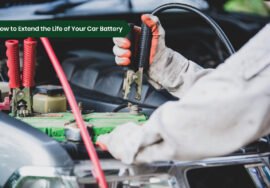
5. Test the Battery
Battery problems are one of the most common reasons for roadside assistance.
Inspect for:
- Corrosion on terminals
- Loose connections
- Cracked battery case
- Slow engine starting
If your battery is more than three years old, consider having it tested before traveling.
6. Inspect the Brakes
Reliable brakes are essential for safe driving.
Pay attention to:
- Squealing sounds
- Grinding noises
- Brake pedal vibration
- Soft brake pedal
- Brake warning light
If you notice any problems, have your brakes inspected before your trip.
7. Check All Lights
Working lights improve visibility and help other drivers see you.
Test:
- Headlights
- High beams
- Brake lights
- Turn signals
- Hazard lights
- Reverse lights
- License plate lights
Replace burned-out bulbs before leaving.
8. Inspect Windshield Wipers
Good visibility is essential during rain or snow.
Replace wipers if they:
- Leave streaks
- Skip across the windshield
- Squeak
- Have cracked rubber
Also fill the windshield washer fluid reservoir.
9. Test the Air Conditioning and Heating
Depending on the season, you’ll want reliable climate control.
Check that:
- Air conditioning blows cold air.
- Heater produces warm air.
- Fan speeds work properly.
- Defroster clears the windshield effectively.
Comfortable cabin temperatures also help reduce driver fatigue.
10. Pack an Emergency Kit
Every vehicle should carry a basic emergency kit.
Include:
- Flashlight
- Extra batteries
- First-aid kit
- Jumper cables
- Tire pressure gauge
- Basic tool kit
- Reflective warning triangles
- Gloves
- Blanket
- Phone charger
- Drinking water
- Non-perishable snacks
These supplies can be invaluable during unexpected situations.
11. Check Belts and Hoses
Rubber components wear out over time.
Inspect for:
- Cracks
- Fraying
- Bulges
- Leaks
- Loose connections
Replace worn belts or damaged hoses before a long trip.
12. Verify Your Spare Tire and Jack
Many drivers forget about the spare tire until they need it.
Check that you have:
- A properly inflated spare tire
- Jack
- Lug wrench
- Wheel lock key (if required)
Practice locating these tools before you travel.
13. Clean Your Windshield and Mirrors
Clear visibility improves driving safety.
Before leaving:
- Wash the windshield.
- Clean all mirrors.
- Remove dirt from headlights.
- Clean backup camera lenses if equipped.
A clean vehicle also makes it easier to spot damage or leaks.
14. Make Sure Your Fuel Tank Is Ready
Don’t begin your trip with very little fuel.
Tips:
- Fill the tank before leaving.
- Plan fuel stops on long routes.
- Avoid letting the tank get extremely low.
This is especially important in remote areas where fuel stations may be limited.
15. Check Important Documents
Keep essential documents in your vehicle.
Carry:
- Driver’s license
- Vehicle registration
- Proof of insurance
- Roadside assistance information
- Emergency contact numbers
Store them in an easy-to-access location.
Road Trip Packing Essentials
In addition to checking your car, pack items that make travel safer and more comfortable.
Recommended items include:
- Bottled water
- Healthy snacks
- Sunglasses
- Maps or offline navigation
- Power bank
- Phone charger
- Paper towels
- Wet wipes
- Hand sanitizer
- Trash bags
- Umbrella
- Reusable water bottles
Being prepared can make long drives much more enjoyable.
Road Trip Safety Tips
Follow these habits for a safer journey:
- Get enough sleep before driving.
- Take breaks every two to three hours.
- Share driving duties when possible.
- Follow speed limits.
- Wear your seat belt at all times.
- Avoid using your phone while driving.
- Watch weather forecasts before leaving.
Safe driving is just as important as vehicle maintenance.
Common Mistakes to Avoid Before a Road Trip
Avoid these common errors:
- Ignoring dashboard warning lights
- Skipping tire inspections
- Forgetting the spare tire
- Driving with low fluids
- Delaying brake repairs
- Overloading the vehicle
- Leaving with a weak battery
- Not packing an emergency kit
Fixing these issues before you leave can prevent unexpected delays.
Printable Road Trip Car Checklist
Vehicle Inspection
✔ Check engine oil
✔ Check coolant level
✔ Check brake fluid
✔ Inspect transmission fluid
✔ Check tire pressure
✔ Inspect tire tread
✔ Test battery
✔ Inspect brakes
✔ Check headlights and signals
✔ Replace worn wiper blades
✔ Fill washer fluid
✔ Test heating and air conditioning
✔ Inspect belts and hoses
✔ Verify spare tire and tools
Emergency Supplies
✔ First-aid kit
✔ Jumper cables
✔ Flashlight
✔ Basic tools
✔ Tire pressure gauge
✔ Reflective warning triangles
✔ Blanket
✔ Water
✔ Snacks
✔ Phone charger
✔ Power bank
Travel Essentials
✔ Driver’s license
✔ Vehicle registration
✔ Insurance card
✔ Emergency contacts
✔ Navigation device or offline maps
✔ Sunglasses
✔ Reusable water bottle
✔ Wet wipes
✔ Hand sanitizer
Frequently Asked Questions
How far in advance should I inspect my car before a road trip?
Inspect your vehicle several days before departure. This gives you enough time to fix any issues or schedule repairs without delaying your trip.
What should I check first before a long drive?
Start by checking engine oil, coolant, tire pressure, tire condition, brakes, battery, and all exterior lights. These are among the most important systems for safe travel.
Is it necessary to carry a spare tire?
Yes. A properly inflated spare tire, along with a jack and lug wrench, can help you handle a flat tire if roadside assistance isn’t immediately available.
Should I service my car before every road trip?
If your vehicle is due for routine maintenance or you’re planning a long journey, servicing it beforehand is a smart idea. Regular maintenance helps reduce the chance of mechanical problems on the road.
What emergency supplies should every driver carry?
At a minimum, carry a first-aid kit, jumper cables, flashlight, basic tools, reflective warning triangles, drinking water, snacks, a phone charger, and important vehicle documents.
Conclusion
Preparing your vehicle before a road trip is one of the best ways to ensure a safe and enjoyable journey. A quick inspection of your tires, fluids, brakes, battery, lights, and emergency equipment can help you avoid unexpected breakdowns and expensive repairs while you’re away from home.
Don’t wait until you’re on the highway to discover a problem. Use this checklist before every trip, no matter the distance. With a well-maintained vehicle and a few essential supplies, you’ll be ready to enjoy the road with greater confidence, comfort, and peace of mind.